Showing posts with label Akira Kurosawa. Show all posts

Sunday, August 16, 2015

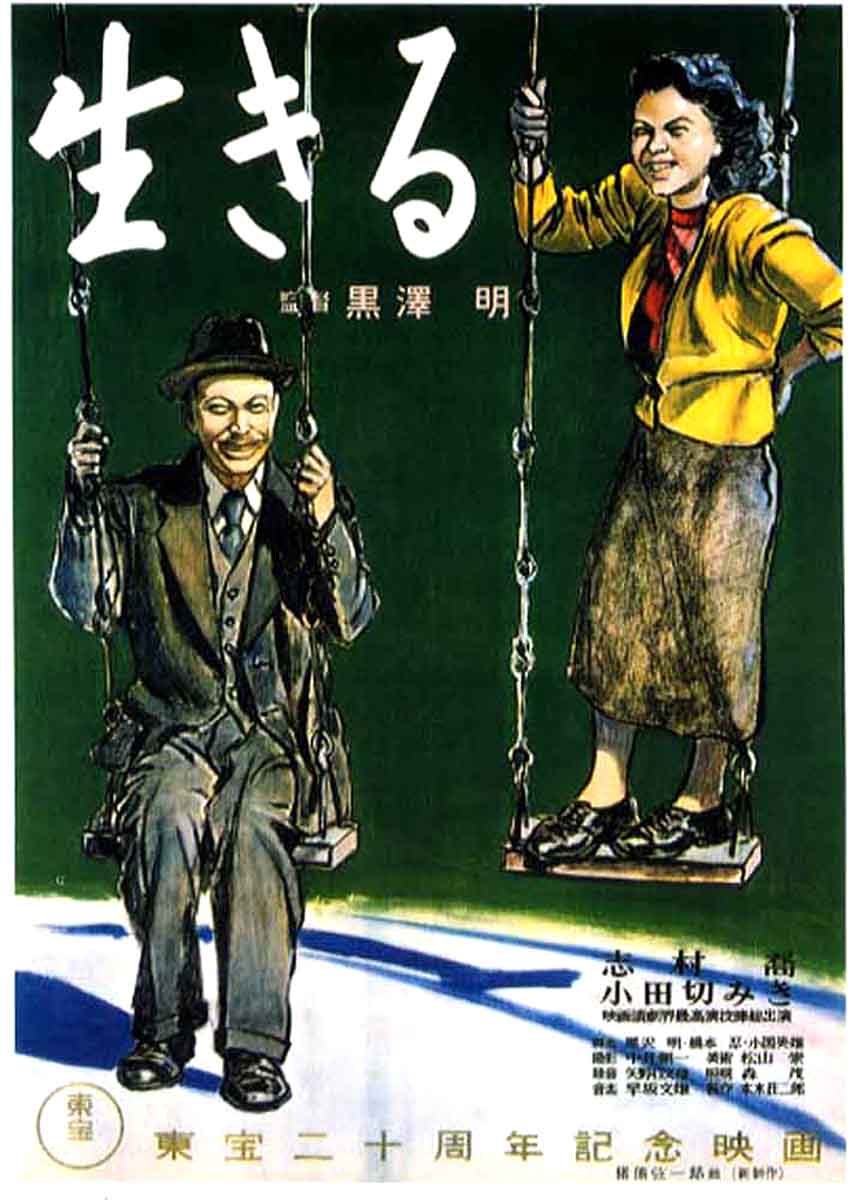
IMDb #130 Review: Ikiru (1952)

Source: Wikipedia
Lowly Japanese bureaucrats move problems around, until the oldest and dustiest of the bureaucrats comes down with a problem he can't move: terminal stomach cancer. Thanks to Japanese politeness, he doesn't hear the fatal news form his doctor, but from a cheerful creep in the waiting room. For some reason he believes him, and for some reason he's right.

What a wakeup call. The man realizes he's felt dead for thirty years, embalmed in dreary routine since his wife kicked it. He gets his first day off, and he doesn't know what to do with it. The title means "To Live," implying he's not very good at it.

Enjoying life is tough when you're uncomfortable in your own wrinkly skin. This guy has difficulty finishing sentences or even maintaining eye contact.

The amazing human raisin hits the nightlife -- not his scene. Undeterred, he hits up a vibrant young female coworker, annoying her till she shares the secret of her seeming happiness: meaningful work. Making stuff you like.

So he returns to dreary drudgery, not disappointed, but transformed. Ready to make a difference in the community. Never before has anybody not running for office taken civil government so seriously. After six months of badgering and one cesspool turned into a public park, he's succeeded at life and subsequently croaks.

The last third is odd. Another stroke of Kurosawa's ineffable genius. Unlike the other "sudden transformation" plots I've seen, this is the first that delves into the befuddlement of family and peers over the sudden transformation. The thoroughly inebriated coworkers decide he didn't know he had cancer. The estranged son and his bitchy wife, who never listened to him anyway, realize he had something important to tell them (I'M DYING) but didn't because they wouldn't listen.

Apparently it requires the threat of immanent death to prompt wheedling, whinging losers to become proactive people who get work done. (Hope you ain't getting any ideas outta this, boss.) Otherwise folks remain entrenched in selfish shortsightedness. Even if his coworkers don't care, the community ladies are profoundly grateful.

Suitably, the depressed and depressing man's favorite song is an old ditty called "Life is Brief." Seize the day, or it'll slip away like a greased hog, and probably defecate on your shoes.

Friday, August 14, 2015

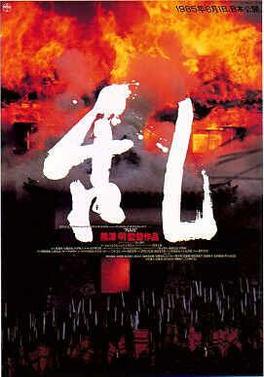
IMDb #132 Review: Ran (1985)

Source: Wikipedia
Shakespeare's King Lear in feudal Japan? Akira Kurosawa movies in color? One's good; both are better; combined, they're a tactical nuke to the eyeballs.

A wild-eyed old warlord has three sons, creatively named First Son, Second Son, and Third Son.

A time-tested moron, the old man trusts the two suck-ups, but banishes the loyal son who dares question his dad's dumb decisions. To the surprise of absolutely nobody, this turns out to be a shitty idea. The heir takes over before Dad's kicked the bucket, then kicks out his dad to boot (and a handful of loyal retainers). The other son schemes to usurp the usurper, provoked by his scheming wife Kaede (best described as: crouching violet, hidden HOLYSHIT BADASS PSYCHOBITCH).

The ponderously slow windup is worth the wait -- fully charged, the potential energies ignite a perpetual bloodbath machine. And of course the destruction looks wonderful. The castle siege. The color-coded clash of armies. The well-intentioned but disastrous plot to return the deposed lord to power and sanity.

The colors. Did I mention the colors? Because they're amazing. The kimonos, the armor, the interior decoration, and oh so much fire. Zero CGI, just colors and motion.

Hell, I'll say it -- this is probably the most beautiful live-action movie I've ever seen. To dump more hyperbole fuel on the blazing altar-fire of ego-wank.

Like absolute statements and rave reviews, you don't need a Shakespeare background to understand the story, but it provides excellent shorthand. Literature scholars recognize certain elements. Poetic irony and senseless tragedy, often the same thing; on-again, off-again mental illnesses; surprisingly convincing disguises; the "wise fool" archetype (who has no equivalent in ancient Japan and instead seems like a lost time-traveler gone mad with boredom for lack of Internet). And death, death, death.

What were you expecting from Shakespeare, a happy ending?

Watch it. For the plot, for the spectacle, just to say you did it, who cares, just do it. A Kurosawa epic is more than mere entertainment. This is ART.

160 minutes.